
William of Baskerville's Intellectual Journey
The Name of the RoseThe Franciscan detective's philosophical evolution from confidence in reason to acceptance of uncertainty.
increasing Bearing strength in each event
 decreasing
Bearing strength in each eventdecreasingThe Confident Logician
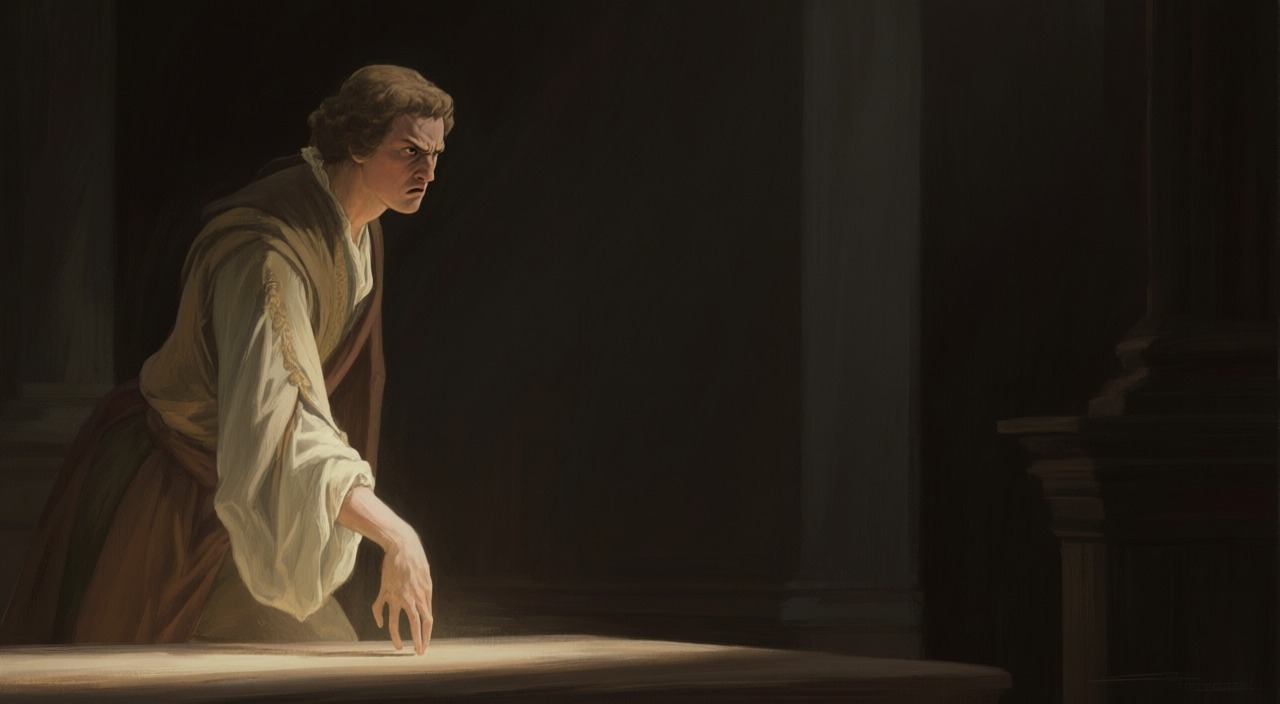
A Man of Reason
Arrival at the Abbey
William of Baskerville arrives at the abbey with a reputation for sharp intellect. He demonstrates his deductive skills by describing Brunellus from tracks in the snow. He is confident in his ability to solve any mystery.
The Inquisitor's Past
William was once an inquisitor but resigned because he could not tolerate the cruelty of torture. He believes in the power of reason and evidence, not coercion.
The Task Ahead
He accepts the abbot's request to investigate Adelmo's death, confident that he can uncover the truth. He does not yet know how complex and tragic the truth will be.
The Crisis of Doubt
The Failure of Logic
The Apocalyptic Hypothesis Collapses
William realizes that the pattern of murders he thought he saw was a coincidence. His logical deductions led him astray. He confesses to Adso that he has been following a false trail.
The Nature of Truth
William reflects on the limits of human knowledge. He quotes a mystic: "Er muoz gelîchesame die leiter abewerfen, sô er an ir ufgestigen." The ladder of reason must be thrown away after use.
Acceptance
He accepts that the universe may have no inherent order. This does not lead to despair but to a kind of humility. He continues to seek truth, but without the arrogance of certainty.
The Final Revelation
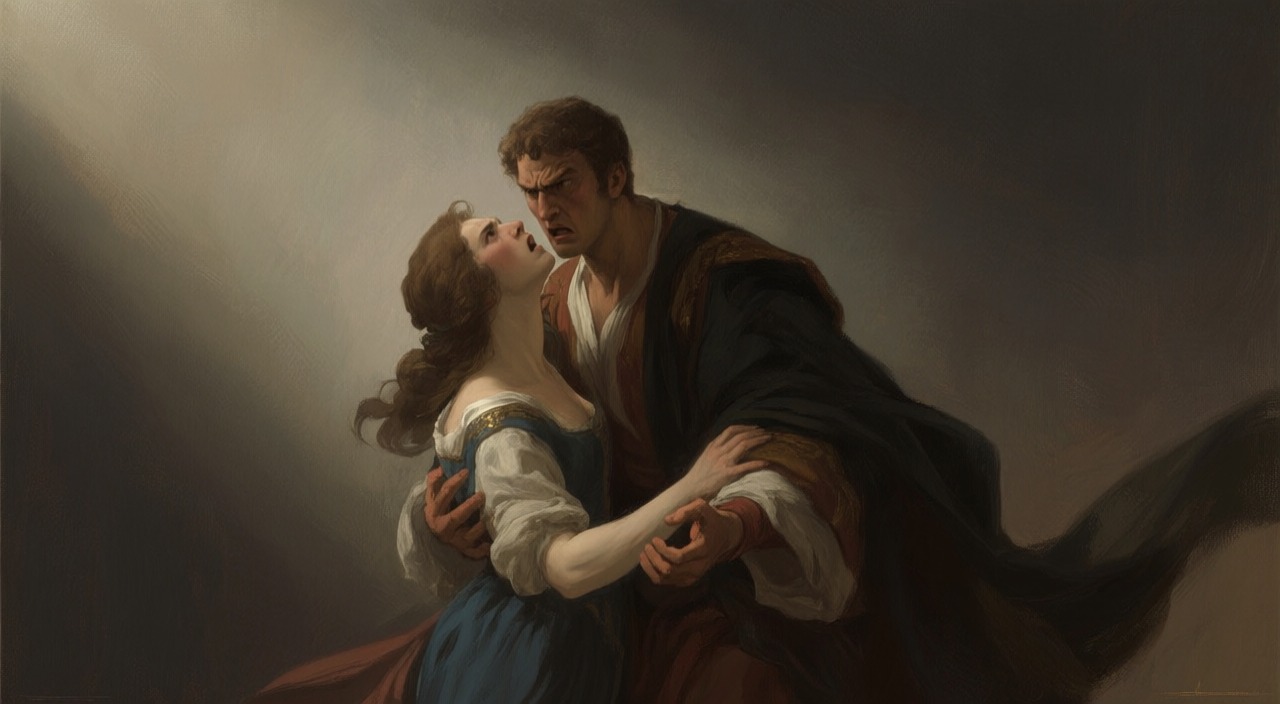
Confronting Jorge
The Truth Unveiled
William finally understands the whole story: Jorge has been protecting the forbidden book for decades. The murders were a consequence of his fanaticism. William confronts Jorge with his deductions.
The Debate on Laughter
William argues that laughter is a gift of God, a tool for understanding truth. Jorge counters that laughter destroys fear of God. Their debate encapsulates the central philosophical conflict of the novel.
The Fire
In the end, William cannot prevent the destruction of the library. He escapes with Adso, but his intellectual journey has changed him. He is no longer the confident logician of the first day.
The Aftermath
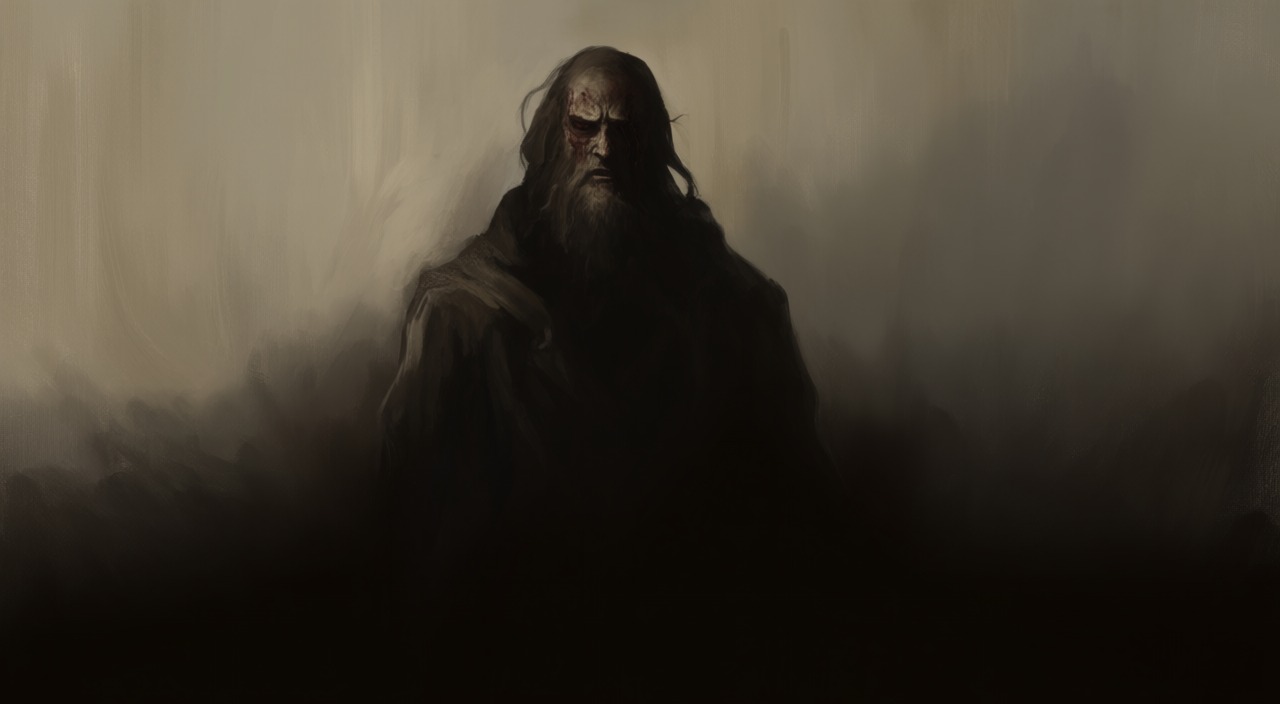
A Changed Man
Leaving the Ruins
William and Adso leave the burning abbey. William is silent, lost in thought. He has seen the limits of his own wisdom.
The Farewell
Later, at Melk, William gives Adso his glasses and advice. He dies during the plague, his later years marked by a quiet wisdom. Adso remembers him as a great teacher, but also as a man who doubted.
The Legacy
William's story is told by Adso in this manuscript. The reader is left to ponder the nature of truth and the value of laughter. William's journey from certainty to doubt is a mirror of the human condition.
First day
Sixth day
Night of the sixth day
After the fire
